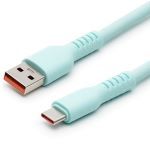
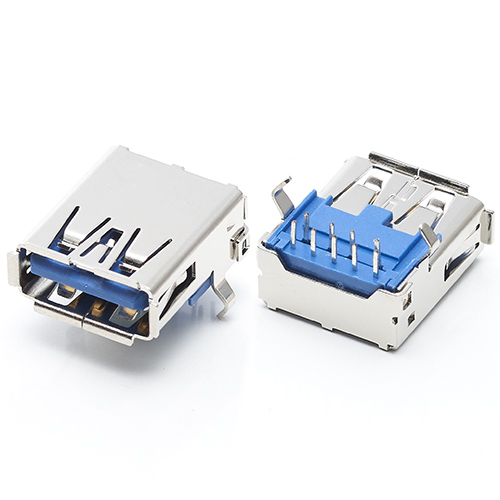
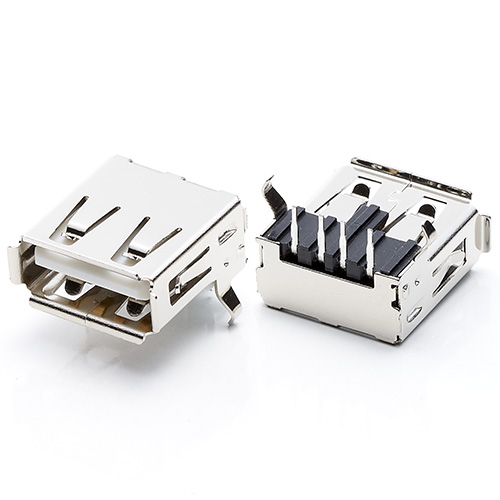
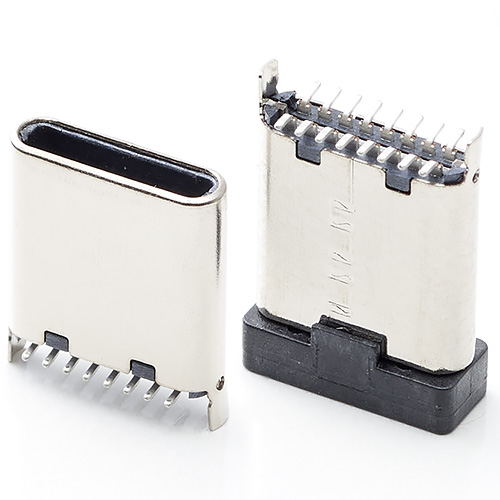
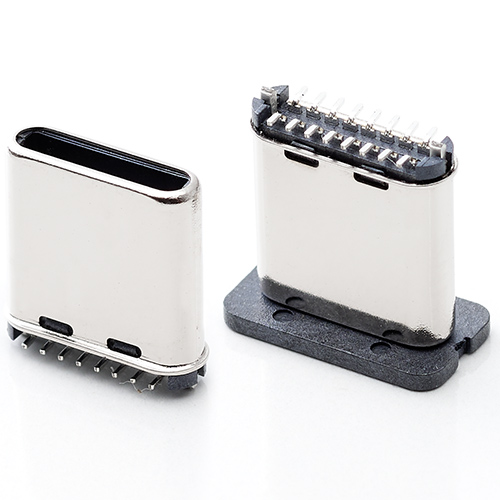
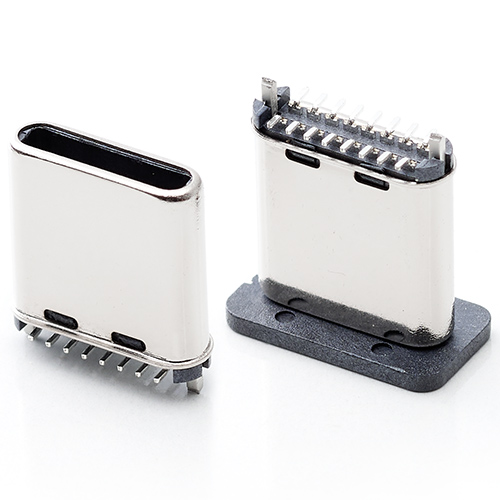
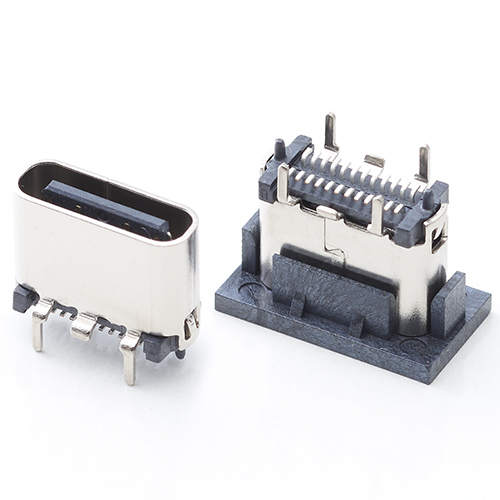
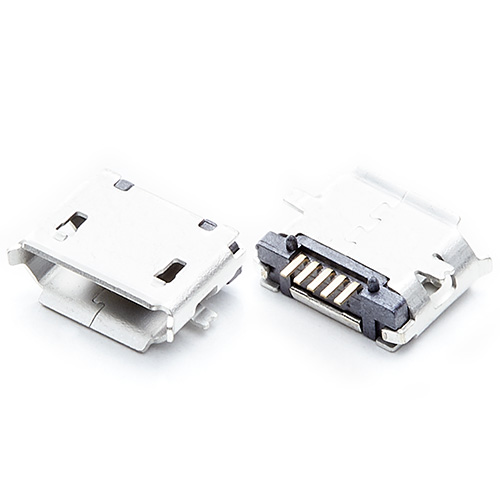
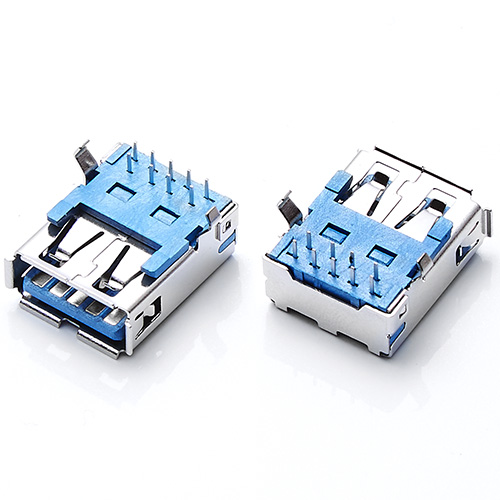
USB Connectors are essential electronic components widely used in modern electronic devices. Their primary functions include power delivery, data transmission, and communication between devices. With the development of digital technology, USB connectors have evolved from traditional USB Type-A and Type-B interfaces to USB Type-C, supporting faster data transfer, higher power output, and more versatile applications. Today, USB connectors are widely used in consumer electronics, computer equipment, automotive electronics, industrial machinery, medical devices, and communication systems.
USB connectors are commonly found in smartphones, tablets, digital cameras, Bluetooth speakers, headphones, and gaming devices.
Products such as USB Type-C, Micro USB, and Mini USB are used for charging, data synchronization, firmware updates, and connecting peripheral accessories.
Desktop computers, laptops, servers, printers, keyboards, mice, and external storage devices rely on USB connectors for peripheral connections and data exchange.
USB Type-A and Type-C are widely used for connecting external devices, while internal USB connectors support communication between system components.
Modern vehicles integrate USB connectors into infotainment systems, navigation equipment, dashboard displays, rear-seat entertainment systems, and charging ports.
USB Type-A and Type-C connectors provide power to mobile devices and support data transmission between smartphones and vehicle systems.
USB connectors are used in CNC machines, industrial controllers, testing instruments, automation equipment, and human-machine interface (HMI) systems.
They support equipment configuration, firmware updates, data collection, and communication with external devices. Industrial applications often require connectors with enhanced durability, stable contact performance, and resistance to vibration and environmental conditions.
Medical devices such as patient monitors, blood pressure monitors, diagnostic instruments, and portable medical equipment may incorporate USB connectors for power supply, data transfer, and connection to computers.
Reliability, electrical safety, and stable signal transmission are important considerations in these applications.
USB connectors are commonly used in routers, wireless adapters, network devices, communication modules, and data transmission equipment.
They provide interfaces for peripheral connections, device configuration, and firmware maintenance.
USB connectors are essential components in modern electronic devices, providing reliable interfaces for power delivery and data transmission. From USB Type-A and Micro USB to USB Type-C, connectors must meet strict requirements for dimensional accuracy, electrical performance, mechanical durability, and product reliability.
However, during the USB connector manufacturing process, manufacturers may encounter various production challenges that affect product quality, production efficiency, and service life. Understanding these common problems and implementing effective solutions can help improve manufacturing consistency and ensure that connectors meet customer specifications.
Metal stamping is one of the most important processes in USB connector manufacturing. Connector terminals are typically produced through precision stamping to achieve the required shape, size, and contact structure.
Common problems include terminal deformation, burr formation, incorrect terminal dimensions, and inconsistent contact positioning. These defects may cause poor electrical contact, assembly difficulties, or connection failures.
Solutions:
Manufacturers should optimize stamping die design and regularly inspect tooling conditions. Using high-quality metal materials with consistent thickness and mechanical properties can also improve production stability. In addition, precision measurement equipment and automated optical inspection (AOI) systems can help identify dimensional deviations and terminal defects at an early stage.
Plastic injection molding is used to manufacture USB connector housings and insulating components. Common defects include short shots, excessive flash, air bubbles, material shrinkage, and housing deformation.
These problems may affect connector dimensions, terminal positioning, insulation performance, and final assembly quality.
Solutions:
Manufacturers should carefully control injection molding parameters, including temperature, injection pressure, holding pressure, and cooling time. Proper mold design, effective venting, and regular mold maintenance are also essential. Selecting suitable engineering plastics with appropriate heat resistance and mechanical strength can further improve product consistency.
USB connector terminals often require surface plating to improve electrical conductivity, reduce contact resistance, and protect metal surfaces from oxidation and corrosion.
Common plating problems include uneven coating thickness, poor adhesion, discoloration, surface contamination, and insufficient corrosion resistance. These defects may lead to unstable electrical performance and reduced connector durability.
Solutions:
Manufacturers should establish strict control over plating chemicals, bath temperature, current density, and processing time. Proper cleaning and surface preparation before electroplating are also important. Regular plating thickness measurements and adhesion inspections can help ensure that finished terminals meet the required specifications.
USB connector assembly involves positioning terminals, insulating components, metal shells, and other structural parts. During this process, terminal misalignment, incorrect insertion, loose fitting, and incomplete assembly may occur.
Such problems can result in unstable connections, poor insertion and withdrawal performance, or damage during product use.
Solutions:
Using automated assembly equipment and precision positioning fixtures can reduce human error and improve assembly accuracy. Manufacturers should also establish standardized assembly procedures and perform dimensional inspections at critical production stages. For USB Type-C connectors, particular attention should be given to terminal positioning and the compact internal structure.
USB connectors are commonly mounted onto printed circuit boards (PCBs) through surface-mount technology (SMT) or through-hole soldering processes.
Typical soldering defects include insufficient solder, solder bridging, cold solder joints, component displacement, and poor solder wetting. These defects may cause intermittent connections, electrical failures, or mechanical instability.
Solutions:
Manufacturers should optimize soldering temperature profiles, solder paste volume, stencil design, and PCB pad specifications. Reflow soldering parameters should be adjusted according to the connector materials and PCB design. Automated optical inspection (AOI) and electrical testing can help detect soldering defects before products are delivered.
Electrical performance is a critical factor in USB connector quality. Common issues include high contact resistance, unstable current transmission, voltage drops, intermittent connections, and signal interference.
For high-speed USB applications, impedance mismatch and poor signal integrity may also affect data transmission performance.
Solutions:
Manufacturers should carefully select terminal materials, contact structures, and plating specifications. Contact resistance, insulation resistance, and dielectric withstand voltage should be tested according to applicable product requirements. For high-speed USB connectors, impedance control, terminal geometry, and signal integrity evaluation are particularly important.
USB connectors are frequently plugged in and unplugged during normal operation. Repeated insertion and withdrawal may cause terminal wear, reduced contact force, housing damage, or deformation of the metal shell.
These problems can shorten product life and affect connection reliability.
Solutions:
Manufacturers should select appropriate contact materials and optimize terminal spring structures to maintain stable contact force. Mechanical durability testing should be performed to verify insertion and withdrawal performance over the specified number of cycles. Product designs should also consider the intended application environment and expected usage frequency.
Even when individual manufacturing processes are properly controlled, variations between production batches may still occur. Differences in raw materials, tooling conditions, equipment settings, and operator procedures can affect product consistency.
Solutions:
A comprehensive quality management system should be implemented throughout the manufacturing process. Incoming material inspections, in-process quality checks, final product inspections, and traceability management are essential. Statistical process control (SPC) can also help manufacturers monitor production trends and identify potential defects before they become major problems.
Producing high-quality USB connectors requires more than precision equipment. It also depends on material selection, mold and tooling design, process optimization, assembly accuracy, and comprehensive quality testing.
As USB Type-C, USB Power Delivery (USB PD), and high-speed data transmission technologies continue to evolve, connector manufacturers must continuously improve their production capabilities to meet increasingly demanding application requirements.
For electronic product developers and manufacturers, working with an experienced USB connector supplier can help reduce manufacturing risks, improve product reliability, and ensure that connector specifications match actual application needs.
If you are looking for USB connector solutions, customized connector designs, or professional manufacturing support, please contact us to discuss your project requirements.